
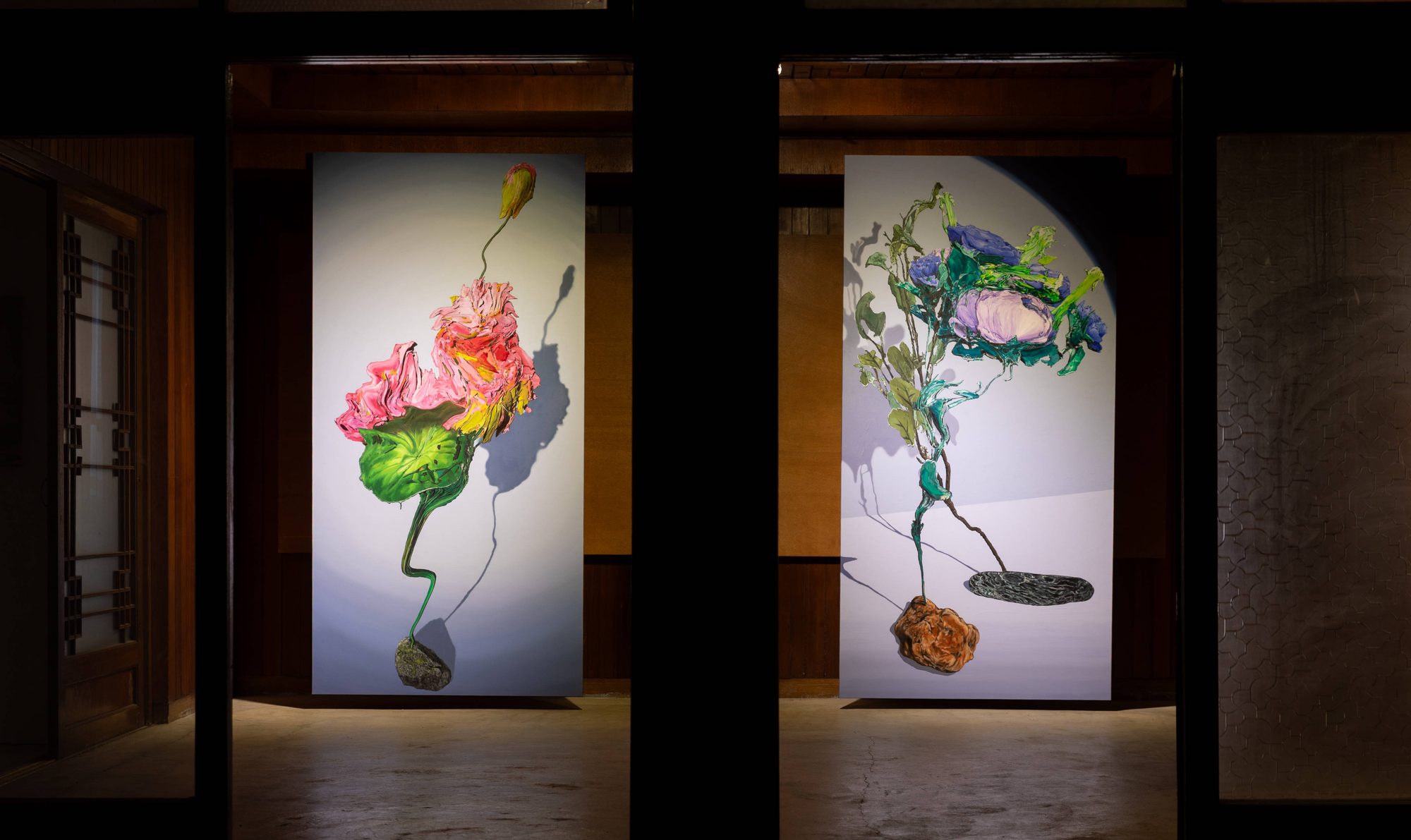
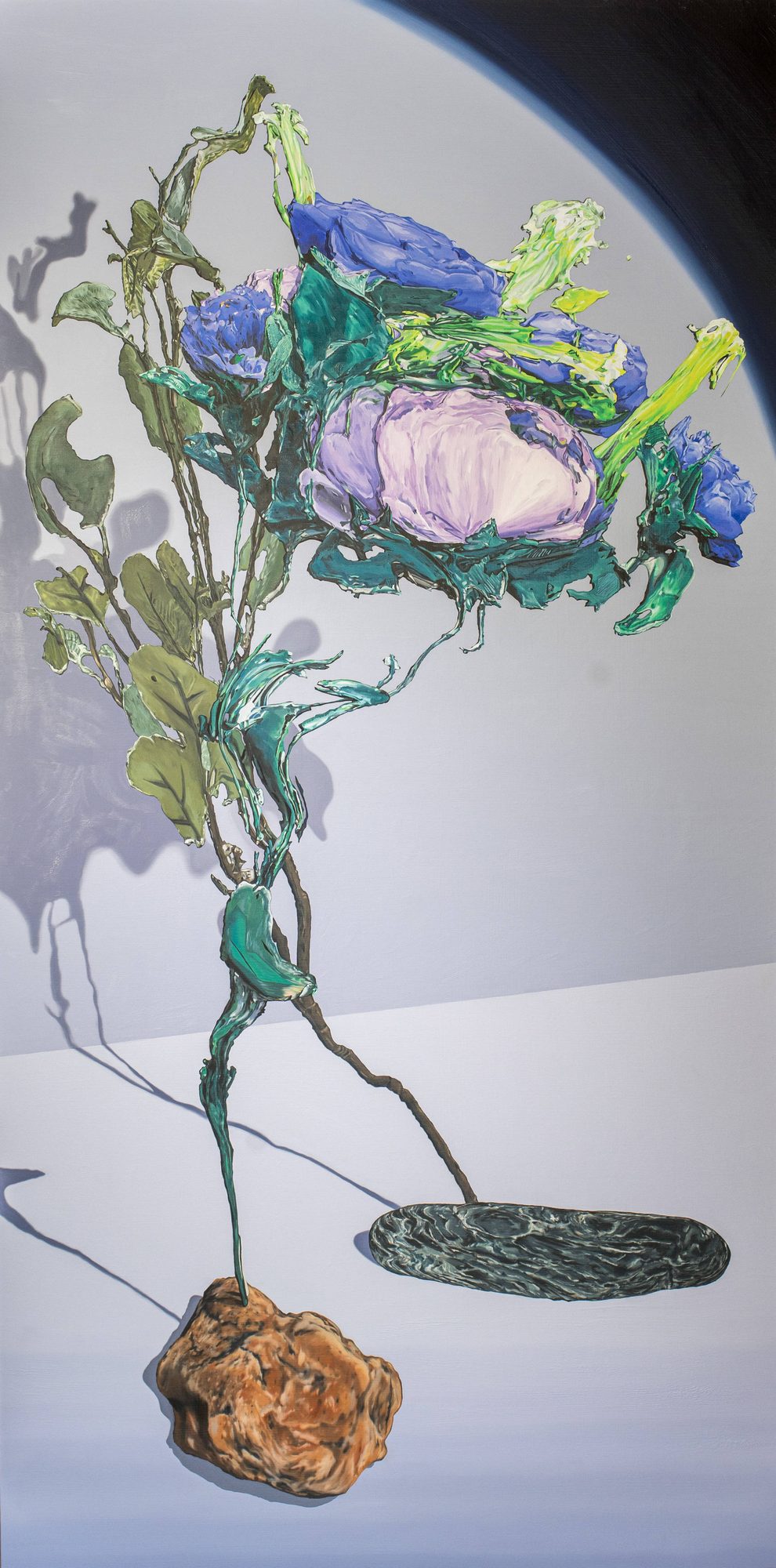
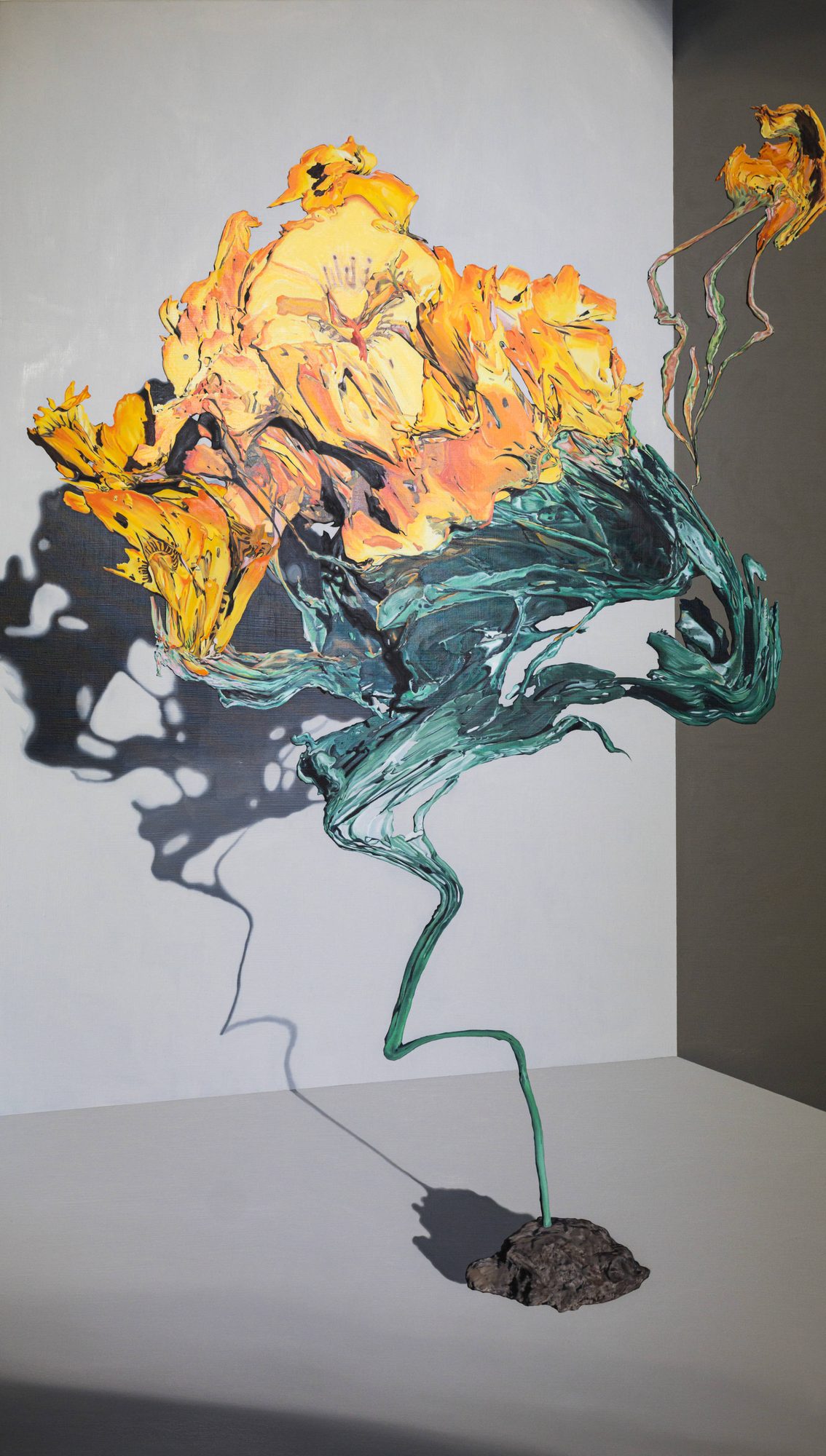
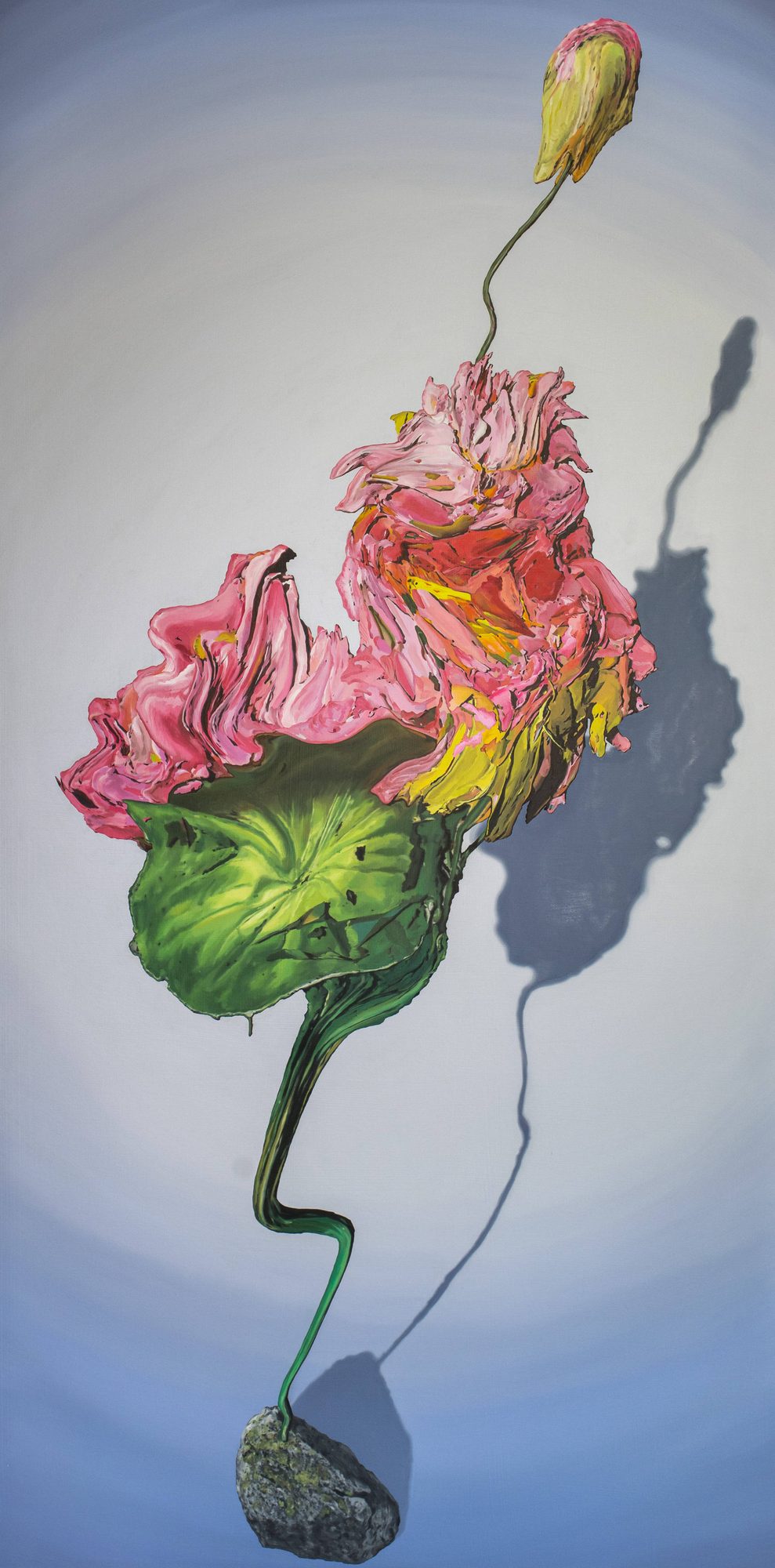
무용무용
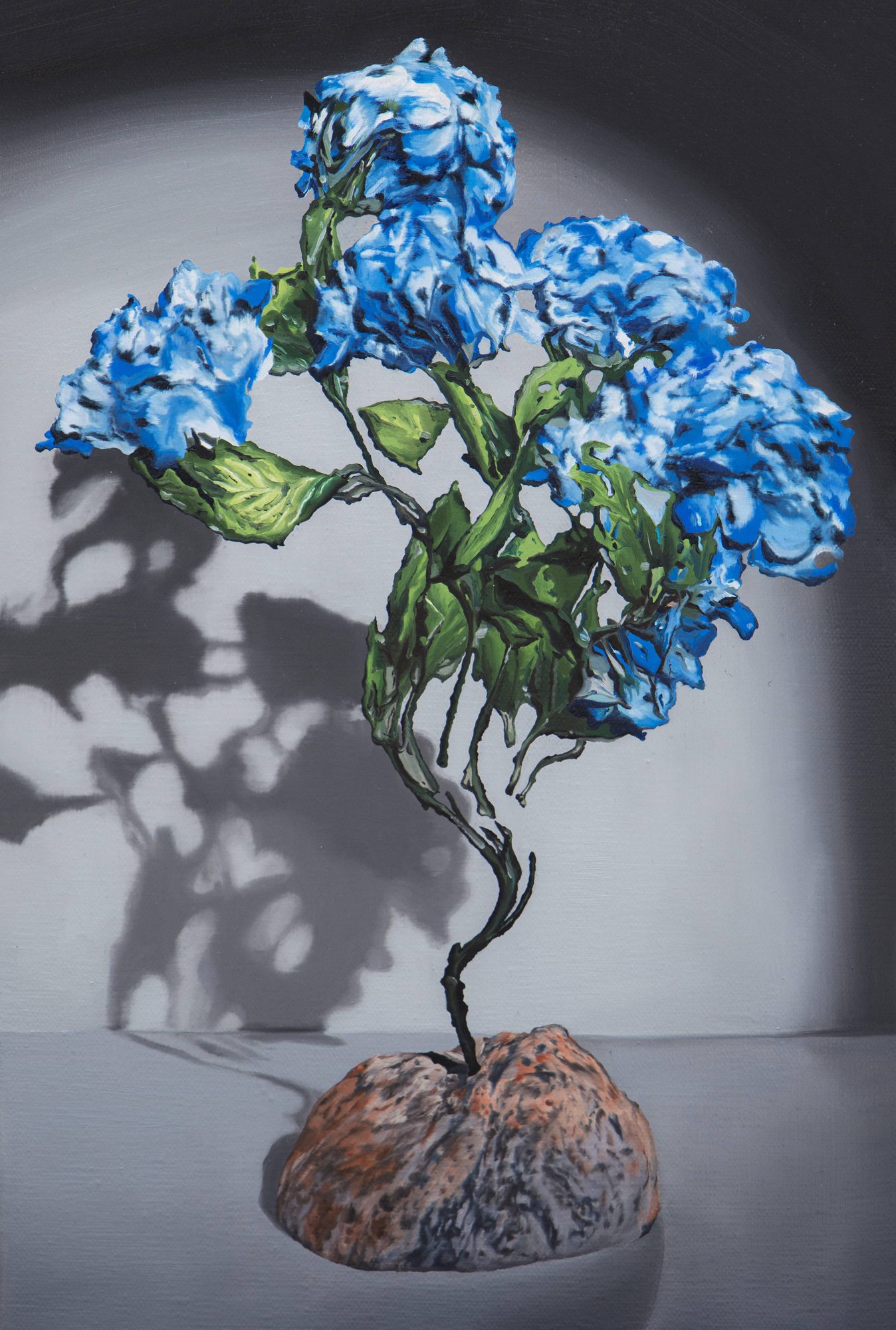
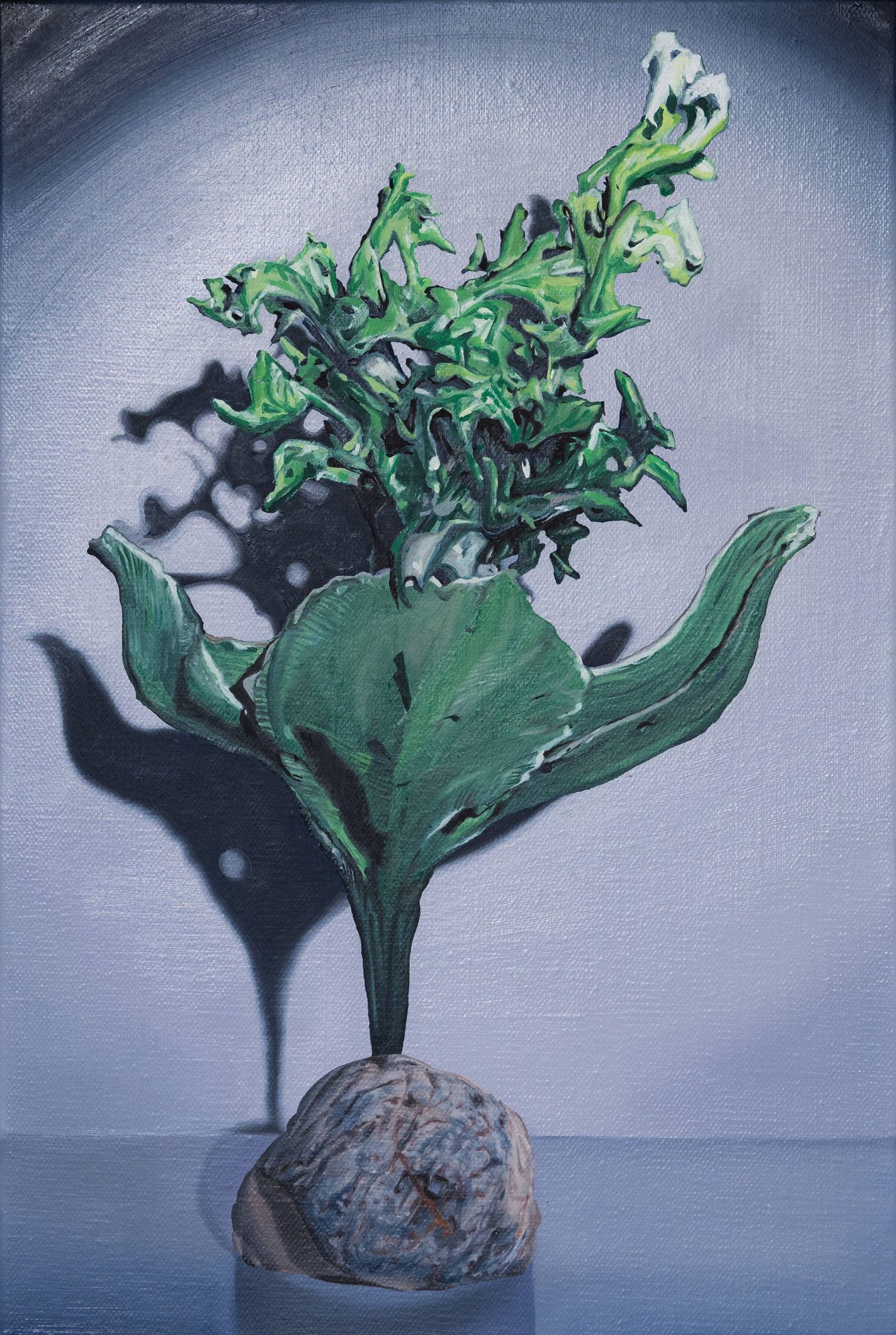
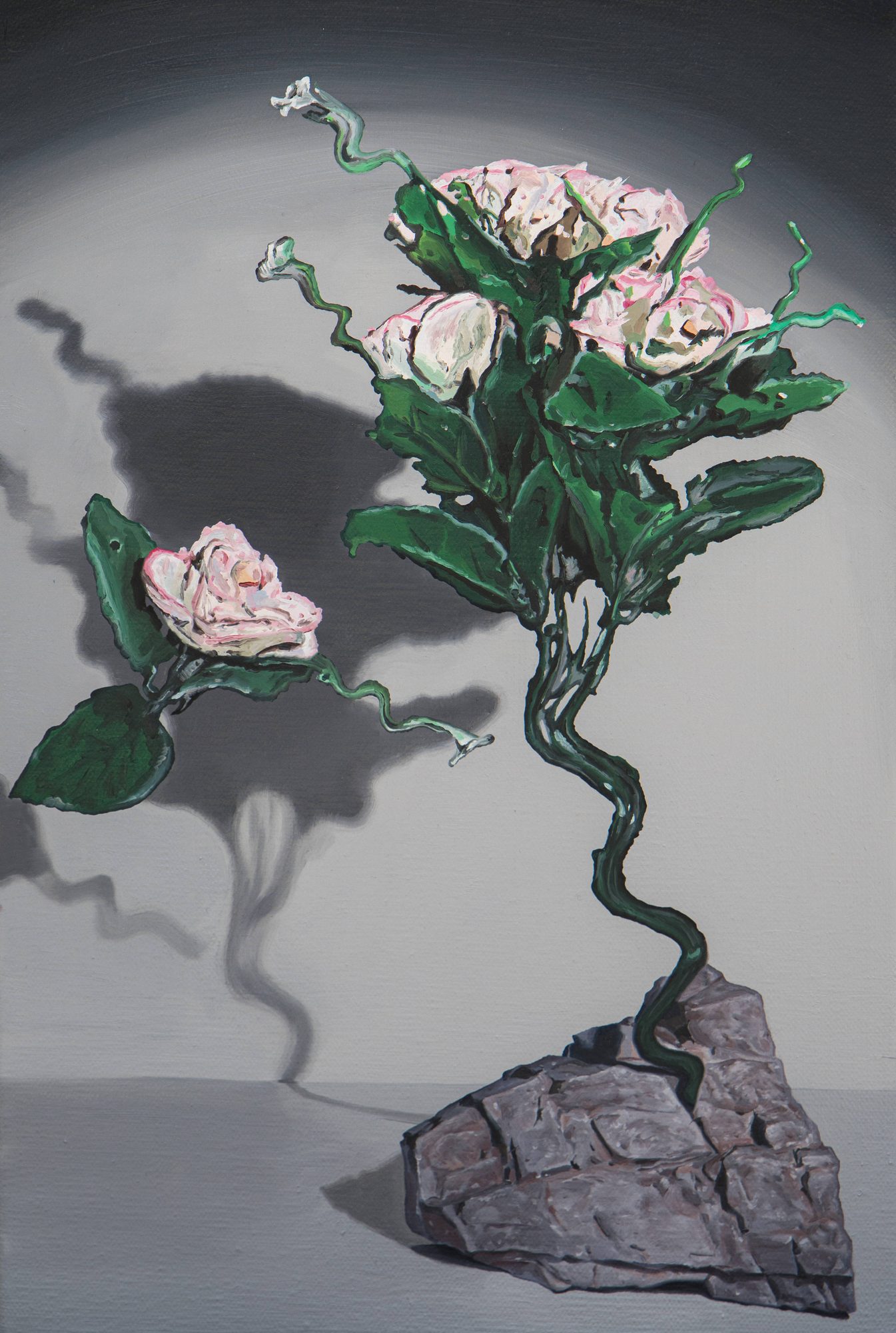
(無用舞踊), 2026
딸깍 너머
‘딸깍’ 한 번이면 마법같은 세상이 펼쳐지는 (듯한) 세상.
어딜가도 AI의 신통함과 편리함을 이야기하고, 이것이 우리에게 얼마나 이득을 가져다줄 것인지를 기대한다. 반면 무용함은 어떤가. ‘무용’이란 쓸모가 없다는 뜻이므로 말 그대로 있으나마나한, 의미도 소용도 없는 존재들일 것이다. 자본주의와 가부장제 시스템을 유지하는 이데올로기에 들어맞는 것들이 이 ‘쓸모’에 해당할 것이기에. 하지만 모두가 무용함을 인생의 손해 쯤으로 여길 때, 한 쪽에선 무용함을 사랑하는 정서가 피어오르는 것은 우연일까? 나는 무서울 정도로 유용한 기술 앞에서, 그것에 매료되면서도 동시에 인간다움을 갈망한다. 가짜를 연민하면서도 대상화했고, 진짜를 열망하면서도 의심했다. 매끈한 화면 너머에 무언가 입체적이며 중요한 것이 있을 거라고, 자꾸만 믿게 된다.
딸깍딸깍한 세상에서 무용무용 하기
꽃은 ‘무용함’의 상징으로 자주 언급된다. 절화는 시들고 조화는 탈색되며 잡초는 관심의 대상이 되지 못한다. 찰나의 아름다움이 지나고 나면, 언제라도 제거되어야 마땅한 골칫거리가 될 운명을 타고난 것이다. 경계 밖의 사람들이 받는 취급과 다르지 않다. 내 마음 속에는 진짜와 가짜, 보통과 특별, 유용과 무용, 기준과 경계, 00스러움에 대한 의문이 있다. 무엇을 기준으로 자연스러움을 정의할 수 있고, 어떻게 쓸모를 판단할 수 있을까? 하나의 정답으로 정의되거나 전형적인 방식으로 환원될 수 있는 것이 존재하긴 할까?
나는 꽃놀이를 통해 질문하고 싶다.
각각의 꽃들은 체온을 가진 존재가 되어 자기 목소리를 낸다. 이름이 없는 것처럼 여겨지는 풀꽃들, 혹은 쓸모를 잃으면 서둘러 교체될 운명을 가진 ‘꽃 화자’ 들이 모여 돌아가며 노래하고 서로몸을 기댄다. 서로의 슬픔과 고통의 경험에 공감하고, 신나게 노래하는 과정에 동참하면서, 그물처럼 연대한다. 나는 삶의 고통속에서도 딱딱한 돌 틈을 비집고 피어나 꿋꿋하게 자기 몫의 인생을 살아낸 사람들을 기록한다. 이 기록은 계속해서 질문을 던질 것이다.
자연스럽지 않은 자연과 쓸모없음의 쓸모
덧붙이기와 베껴쓰기를 노래하는 어떤 무용함은 그 자체로 우리에게 동력이 된다고 믿는다. 그러니 무용한 것들이 정작 인간의 영혼에는 가장 유용한 것이 아닐까. 나는 무용(舞踊)하는 꽃으로 무용(無用)하지 않음을 노래한다. 그리고 꽃 놀이터에서 무용무용한 노래를 함께 부르며 호명하고 기억하고 계속해서 연결되고 싶다.
1. 無用하다 : 쓸모가 없고 볼일이 없다.
2. 舞踊하다 : 음악에 맞추어 율동적인 동작으로 감정과 의지를 표현하다.
Copyright ⓒ 박슬기(SliikyPark). All rights Reserved
Beyond the ‘Click’
We live in a world where a single ‘click’ seems to unfold a magical reality. Everywhere, people marvel at the ingenuity and convenience of AI, anticipating the boundless benefits it might bring. Amidst this, what of the ‘useless’ (muyong, 無用)? By definition, to be useless is to be of no consequence, serving no purpose—often labeled as such because they fail to fit into the ideologies that sustain capitalist and patriarchal systems. Yet, is it a mere coincidence that while the world treats uselessness as a loss, a profound affection for the ‘useless’ begins to bloom in the shadows?
Faced with terrifyingly efficient technology, I find myself fascinated yet yearning for humanity. I have pitied and objectified the fake, while simultaneously longing for and doubting the real. I find myself constantly believing that beyond the sleek, flat screens, something multi-dimensional and vital must exist.
Being ‘Muyong-Muyong’ in a Click-Driven World
Flowers are often cited as symbols of ‘uselessness.’ Cut flowers wither, artificial ones fade, and weeds are ignored. Once their fleeting beauty passes, they are destined to become nuisances to be discarded—not unlike the way those on the fringes of society are treated. Within me, questions arise about the real and the fake, the ordinary and the special, the useful and the useless, the standards and the boundaries. What defines ‘naturalness’? How do we judge ‘utility’? Can anything truly be reduced to a single answer or a typical form?
I wish to pose these questions through a ‘flower play’ (kkot-nori).
In my work, each flower becomes a being with a pulse, finding its own voice. These ‘flower-narrators’—wildflowers often treated as nameless, or blossoms destined for replacement once their ‘use’ expires—gather to sing and lean on one another. By empathizing with each other’s pain and joining in spirited song, they form a web of solidarity. I record those who have pushed through the cracks of hard stone amidst life’s suffering to live out their share of existence. This record will continue to ask:
Unnatural Nature and the Usefulness of Uselessness
I believe that a certain kind of ‘uselessness’—one that sings of adding and copying—becomes a driving force in itself. Perhaps the things deemed most useless are, in fact, the most essential for the human soul. Through the dancing flower (muyong, 舞踊), I sing of not being useless (muyong, 無用). In this playground of flowers, I wish to sing ‘Muyong-Muyong’ songs together—to call names, to remember, and to remain continuously connected.
[Note on Terms]
- 無用 (Muyong):To be useless; of no use or purpose.
- 舞踊 (Muyong):To dance; expressing emotion and will through rhythmic movement to music.